Snoring is a common problem that many people ignore or joke about. While occasional snoring may seem harmless, regular or loud snoring can be a sign of an underlying ENT or sleep-related issue.
So, is snoring always harmless? An ENT doctor explains when snoring is normal and when it needs medical attention.
What Causes Snoring?
Snoring occurs when airflow through the nose and throat becomes partially blocked during sleep. This blockage causes the surrounding tissues to vibrate, producing the snoring sound.
Common Causes of Snoring:
Nasal congestion due to cold or allergy
Deviated nasal septum
Enlarged tonsils or adenoids
Obesity or excess neck fat
Alcohol consumption before sleep
Sleeping on the back
Structural problems of the nose or throat
When Is Snoring Harmless?
Snoring is usually harmless if:
It happens occasionally
It occurs only during a cold or allergy
There are no breathing pauses during sleep
The person feels refreshed after waking up
In such cases, simple lifestyle changes may help.
When Should Snoring Be a Concern?
Snoring may indicate a serious condition if it is:
Loud and persistent
Accompanied by choking or gasping during sleep
Associated with excessive daytime sleepiness
Causing morning headaches
Linked with poor concentration or irritability
⚠️ These symptoms may point to sleep apnea, a potentially serious sleep disorder.
What Is Sleep Apnea?
Obstructive Sleep Apnea (OSA) is a condition where breathing repeatedly stops and starts during sleep due to airway blockage.
Signs of Sleep Apnea:
Loud snoring every night
Pauses in breathing during sleep
Dry mouth on waking
Daytime fatigue
High blood pressure
Sleep apnea increases the risk of heart disease, stroke, and diabetes if left untreated.
How Can an ENT Doctor Help?
An ENT specialist plays a key role in diagnosing and treating snoring.
ENT Evaluation May Include:
Detailed medical history
Nose, throat, and airway examination
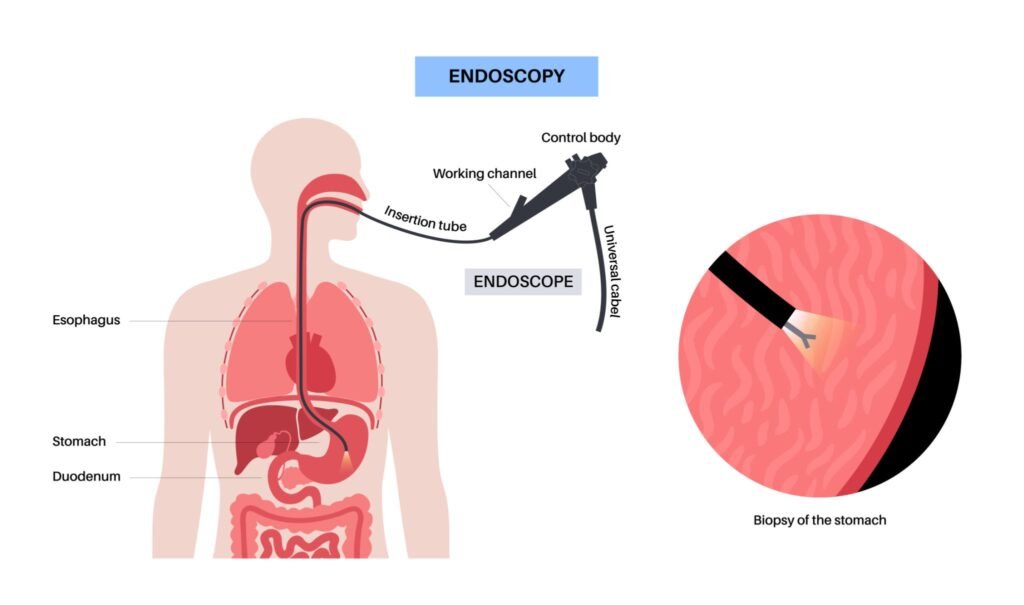
Nasal endoscopy
Sleep study (if sleep apnea is suspected)
Based on the cause, treatment is personalized.
Treatment Options for Snoring
Non-Surgical Treatments:
Weight management
Nasal sprays for allergy or congestion
Positional therapy
Lifestyle changes (avoiding alcohol before sleep)
Medical & Surgical Treatments:
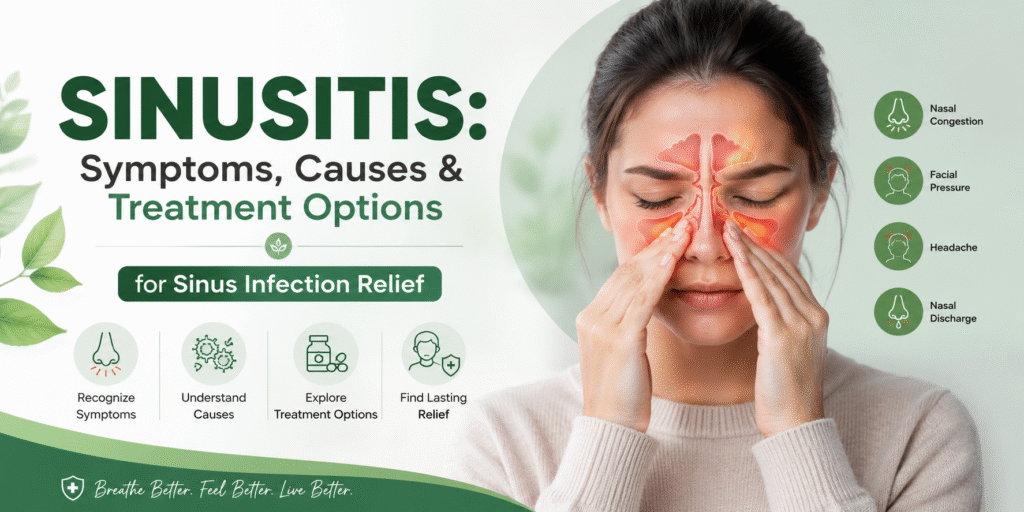
Treatment of nasal blockage or sinus issues
Tonsil or adenoid surgery (if enlarged)
Correction of deviated nasal septum
Advanced procedures for sleep apnea
When Should You Consult an ENT Doctor?
You should consult an ENT specialist if:
Snoring is loud and long-term
Your partner notices breathing pauses
You feel tired even after a full night’s sleep
Snoring affects your quality of life
Early diagnosis can prevent serious complications.
FAQs – Snoring & ENT Health
1. Is snoring common in adults?
Yes, especially with age, weight gain, or nasal issues.
2. Can children snore?
Yes. Enlarged adenoids or tonsils are common causes in children.
3. Does snoring always mean sleep apnea?
No. But persistent snoring should be evaluated to rule it out.
4. Can snoring be cured permanently?
Yes, if the underlying cause is identified and treated properly.
Conclusion
Snoring is not always harmless. While occasional snoring is normal, persistent or loud snoring may indicate an ENT or sleep disorder. Consulting an ENT doctor helps identify the cause and ensures proper treatment for better sleep and overall health.
Need Expert Advice for Snoring?
Consult the Best ENT Doctor in Rahatani, Pune
For expert evaluation and treatment of snoring and sleep-related ENT problems, consult Dr. Shweta Rajput-Jadhav at Sarojay ENT Clinic, Rahatani.