Tonsillitis: Causes, Symptoms, and Tips to Prevent
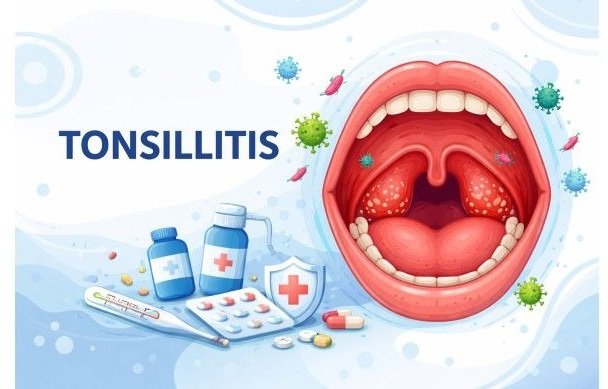
Tonsillitis is a common throat condition that affects both children and adults. It occurs when the tonsils — two oval-shaped tissues at the back of your throat — become inflamed due to infection. While it is usually not serious, timely diagnosis and proper care are important to avoid complications.
In this article, we’ll explain the causes, symptoms, treatment options, and practical prevention tips for tonsillitis.
What Is Tonsillitis?
Tonsillitis is the inflammation of the tonsils, typically caused by viral or bacterial infections. The tonsils play a role in your immune system by helping fight germs, but sometimes they themselves get infected.
Tonsillitis can be:
-
Acute – Symptoms last 3–7 days
-
Recurrent – Multiple episodes in a year
-
Chronic – Long-lasting inflammation
Causes of Tonsillitis
Tonsillitis is most commonly caused by infections.
1. Viral Infections
Most cases (about 70–80%) are caused by viruses such as:
-
Common cold virus
-
Influenza virus
-
Adenovirus
Viral tonsillitis usually improves with rest and supportive care.
2. Bacterial Infections
The most common bacterial cause is Streptococcus bacteria (strep throat). Bacterial tonsillitis may require antibiotics.
Common Symptoms of Tonsillitis
Symptoms may vary depending on the cause but commonly include:
-
Sore throat
-
Difficulty or pain while swallowing
-
Red, swollen tonsils
-
White or yellow patches on tonsils
-
Fever
-
Swollen lymph nodes in the neck
-
Bad breath
-
Headache
-
Fatigue
In children, additional symptoms may include irritability, loss of appetite, or stomach pain.
When Should You See a Doctor?
Seek medical attention if you notice:
-
High fever (above 101°F or 38.5°C)
-
Severe throat pain
-
Difficulty breathing or swallowing
-
Symptoms lasting more than 3–4 days
-
Frequent recurring infections
Early evaluation helps prevent complications like abscess formation or the spread of infection.
Treatment Options
Treatment depends on whether the infection is viral or bacterial.
For Viral Tonsillitis
-
Rest and hydration
-
Warm saltwater gargles
-
Pain relievers (as advised by a doctor)
-
Throat lozenges
For Bacterial Tonsillitis
-
Prescribed antibiotics
-
Pain and fever management
-
Follow-up care
In cases of recurrent or chronic tonsillitis, a doctor may recommend tonsillectomy (surgical removal of tonsils).
Tips to Prevent Tonsillitis
While not all cases can be prevented, you can reduce the risk with these simple steps:
1. Maintain Good Hygiene
-
Wash hands regularly
-
Avoid sharing utensils or drinks
-
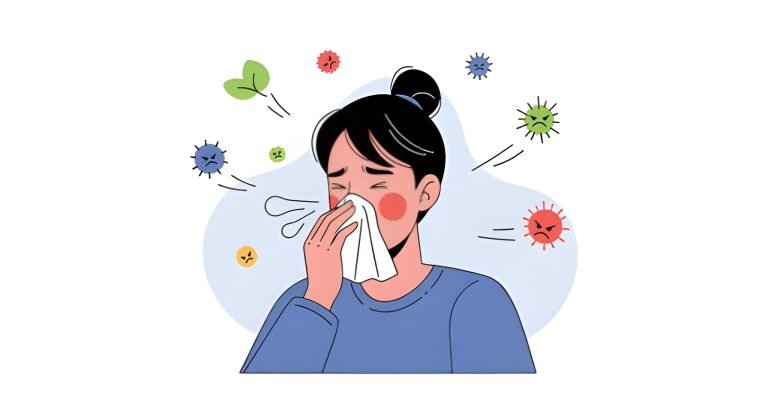
Cover your mouth while coughing or sneezing
2. Boost Immunity
-
Eat a balanced diet
-
Get enough sleep
-
Stay physically active
3. Avoid Close Contact with Infected Individuals
Tonsillitis can spread through droplets from coughing or sneezing.
4. Stay Hydrated
Drinking enough fluids keeps your throat moist and helps your immune system function properly.
Final Thoughts
Tonsillitis is a common but manageable condition. Recognizing the symptoms early and seeking timely medical care can prevent complications and ensure faster recovery.
If you or your child experience persistent throat pain or repeated infections, consult a qualified healthcare professional for proper evaluation and treatment.
Taking simple preventive measures and maintaining good hygiene can significantly reduce your risk of developing tonsillitis.