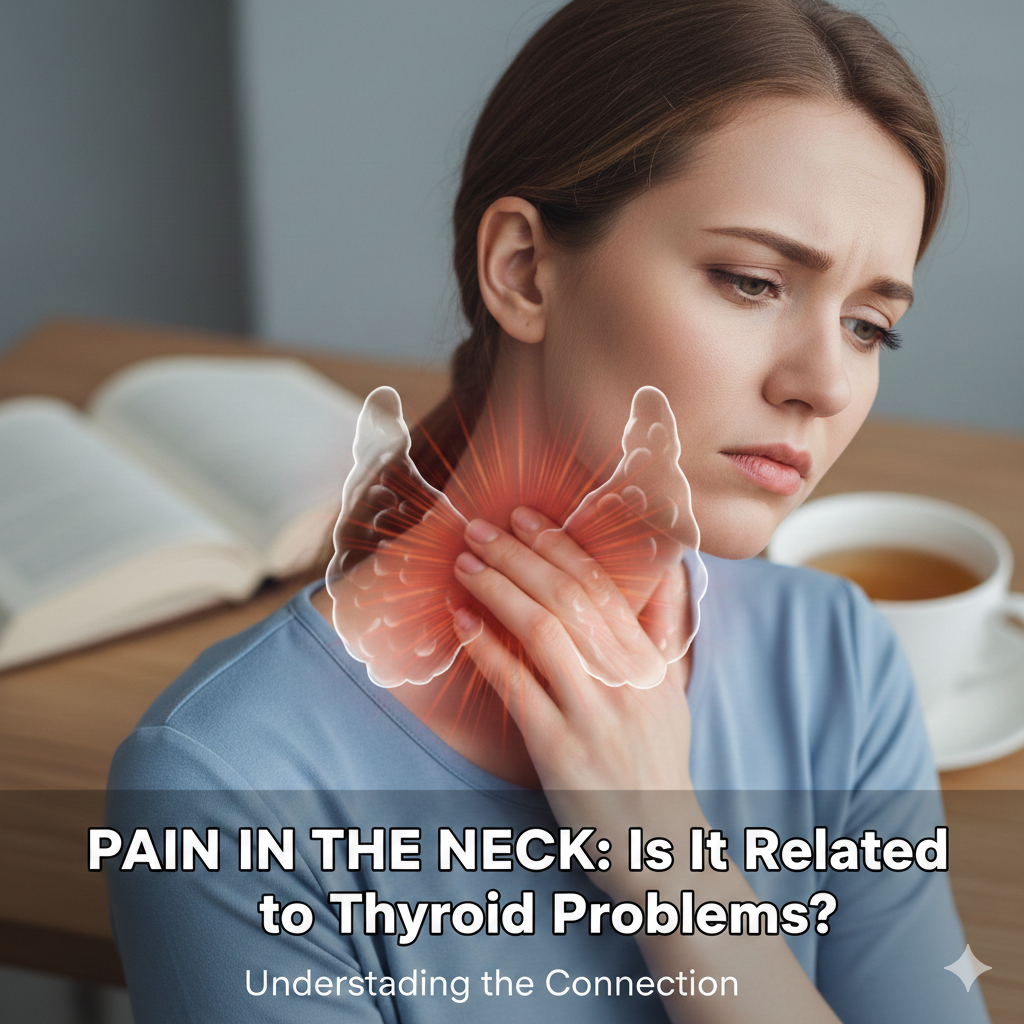
Neck pain is a common complaint that many people ignore, assuming it’s due to poor posture, long screen hours, or muscle strain. But did you know that in some cases, neck pain may be linked to thyroid problems?
Let’s understand how the thyroid gland can cause discomfort in the neck and when you should seek medical advice.
What Is the Thyroid and Where Is It Located?
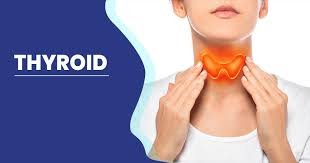
The thyroid is a small, butterfly-shaped gland located at the front of your neck, just below the Adam’s apple. It plays a crucial role in regulating metabolism, energy levels, heart rate, and body temperature by producing thyroid hormones.
Because of its location, any swelling, inflammation, or enlargement of the thyroid gland can lead to noticeable neck discomfort.
Can Thyroid Problems Cause Neck Pain?
Yes, certain thyroid conditions can cause neck pain. However, not all thyroid disorders are painful. The pain usually depends on the underlying cause.
Here are some thyroid-related conditions that may cause neck pain:
1. Thyroiditis (Inflammation of the Thyroid)
Thyroiditis refers to inflammation of the thyroid gland. One of the most common painful types is subacute thyroiditis, often caused by a viral infection.
Symptoms may include:
Pain in the front of the neck
Pain that may spread to the jaw or ears
Tenderness when touching the neck
Fever
Temporary symptoms of hyperthyroidism (like palpitations or sweating)
In this case, the pain is usually noticeable and may worsen when swallowing or turning the head.
2. Enlarged Thyroid (Goiter)
A goiter is an abnormal enlargement of the thyroid gland. While many goiters are painless, a large one can cause:
Pressure or tightness in the neck
Difficulty swallowing
Hoarseness
Mild discomfort or pain
If the enlargement presses on nearby structures, it can create a feeling of heaviness or fullness in the neck.
3. Thyroid Nodules
Thyroid nodules are lumps that form within the thyroid gland. Most nodules are painless and harmless. However, in rare cases, they may cause:
Localized pain
Visible swelling
Difficulty swallowing
Voice changes
If a nodule grows rapidly or becomes tender, it requires prompt evaluation.
4. Thyroid Cancer (Rare but Important)
Although rare, thyroid cancer can sometimes present with:
A painless lump in the neck
Persistent hoarseness
Difficulty swallowing
Swollen lymph nodes
Pain is not a common early symptom, but any persistent neck lump should always be checked by a specialist.
When Is Neck Pain NOT Related to Thyroid?
Most neck pain cases are due to:
Muscle strain
Cervical spine issues
Poor posture
Stress
Injury
If your neck pain is located at the back or sides of the neck and worsens with movement, it is more likely muscular or spine-related rather than thyroid-related.
Warning Signs You Should Not Ignore
Consult a doctor if you experience:
Persistent front neck pain
Swelling in the neck
Difficulty swallowing or breathing
Voice changes lasting more than 2 weeks
Unexplained weight changes
Fatigue or palpitations
Early diagnosis can prevent complications and ensure proper treatment.
How Are Thyroid-Related Neck Problems Diagnosed?
Your doctor may recommend:
Physical examination
Thyroid function blood tests (TSH, T3, T4)
Ultrasound of the neck
FNAC (Fine Needle Aspiration Cytology), if needed
These tests help identify whether your neck pain is thyroid-related or caused by another issue.
Treatment Options
Treatment depends on the underlying condition:
Thyroiditis – Anti-inflammatory medications
Goiter – Monitoring, medications, or surgery
Thyroid nodules – Observation or surgical removal
Hormonal imbalance – Thyroid hormone therapy
With proper treatment, most thyroid-related neck pain can be effectively managed.
Final Thoughts
Not all neck pain is caused by thyroid problems, but pain in the front of the neck, especially with swelling or hormonal symptoms, should not be ignored.
If you are experiencing persistent discomfort or notice changes in your neck, consult an ENT specialist or thyroid expert for timely evaluation. Early diagnosis leads to better outcomes and peace of mind.
Your neck pain may be more than just a “stiff neck” — listen to your body and seek expert advice when needed.