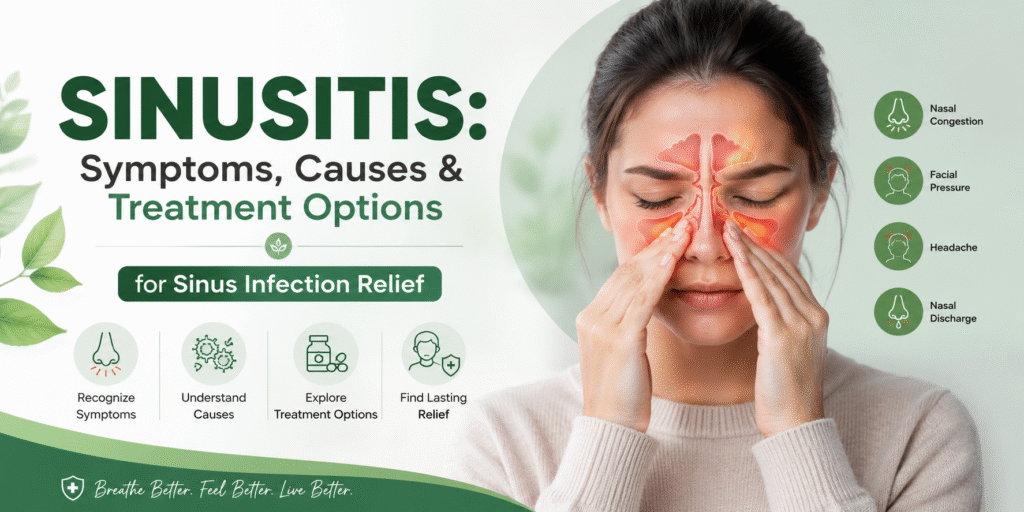
Allergies are one of the most common health issues affecting people today. Symptoms such as frequent sneezing, runny nose, nasal congestion, itchy throat, and watery eyes can make daily life uncomfortable. In many cases, these symptoms are related to ENT (Ear, Nose, and Throat) allergies, which require proper diagnosis and treatment from an experienced ENT specialist.
If you are experiencing persistent allergy symptoms, seeking Comprehensive Allergy Treatment from an ENT specialist in Pune can help you get long-term relief and improve your quality of life.
What Are ENT Allergies?
ENT allergies occur when the immune system reacts to normally harmless substances known as allergens. These allergens trigger inflammation in the nose, throat, and sometimes ears, leading to uncomfortable symptoms.
Common allergens include:
-
Dust and dust mites
-
Pollen from plants and trees
-
Mold spores
-
Pet dander
-
Pollution and smoke
-
Certain foods
People living in urban areas like Pune may experience allergies due to seasonal pollen, dust, and environmental pollution.
Common Symptoms of ENT Allergies
ENT-related allergies can affect the upper respiratory tract and cause symptoms such as:
-
Frequent sneezing
-
Runny or blocked nose
-
Itchy nose or throat
-
Watery or itchy eyes
-
Post-nasal drip
-
Headache or sinus pressure
-
Reduced sense of smell
-
Ear congestion
If these symptoms last for several weeks or recur frequently, it is important to consult an ENT doctor for proper diagnosis and treatment.
Causes of Allergic Rhinitis
Allergic rhinitis, commonly known as nasal allergy, occurs when allergens trigger an immune response in the nasal lining.
Common causes include:
-
Seasonal pollen (seasonal allergies)
-
Dust mites at home
-
Pet hair or dander
-
Mold in damp environments
-
Air pollution
-
Strong fragrances or chemicals
Without proper treatment, allergies may lead to complications such as sinus infections, sleep disturbances, and chronic nasal congestion.
Diagnosis of ENT Allergies
An ENT specialist will perform a thorough evaluation to identify the exact cause of your allergy.
Diagnosis may include:
-
Medical history evaluation
-
Physical ENT examination
-
Allergy testing
-
Sinus evaluation
Accurate diagnosis helps determine the best treatment plan for long-term relief.
Comprehensive Allergy Treatment Options
Treatment for ENT allergies focuses on controlling symptoms, reducing inflammation, and preventing future allergic reactions.
1. Medications
Doctors may prescribe medications such as:
-
Antihistamines to reduce allergic reactions
-
Nasal sprays to reduce inflammation
-
Decongestants to relieve nasal blockage
-
Steroid sprays for severe allergies
These medications help manage symptoms effectively.
2. Allergy Avoidance
Identifying and avoiding triggers is an important step in allergy management.
Common preventive measures include:
-
Keeping the home dust-free
-
Using air purifiers
-
Washing bedding regularly
-
Avoiding exposure to pollen or pollution
-
Keeping pets away from sleeping areas
3. Nasal Irrigation
Saline nasal irrigation helps clear allergens, mucus, and irritants from the nasal passages, improving breathing and reducing congestion.
4. Immunotherapy (Allergy Shots)
For patients with severe or persistent allergies, doctors may recommend allergy immunotherapy, which gradually builds tolerance to allergens over time.
Why Choose an ENT Specialist for Allergy Treatment?
While many people self-medicate for allergies, consulting an ENT specialist ensures proper diagnosis and effective treatment.
An experienced ENT doctor can:
-
Identify the exact allergy triggers
-
Provide personalized treatment plans
-
Prevent complications such as chronic sinusitis
-
Offer advanced diagnostic tests
-
Recommend long-term solutions
Tips to Prevent ENT Allergies
Simple lifestyle changes can help reduce allergy symptoms:
-
Keep indoor spaces clean and well-ventilated
-
Avoid dust and smoke exposure
-
Wear a mask during high pollen seasons
-
Stay hydrated
-
Maintain good nasal hygiene
These preventive steps can significantly reduce the frequency of allergic episodes.
When Should You See an ENT Doctor?
You should consult an ENT specialist if you experience:
-
Allergy symptoms lasting more than 2–3 weeks
-
Severe nasal congestion
-
Recurring sinus infections
-
Difficulty breathing through the nose
-
Sleep disturbances due to nasal blockage
Early treatment can help prevent complications and provide long-term relief.
Conclusion
ENT allergies can significantly impact daily life if left untreated. Symptoms such as persistent sneezing, nasal congestion, and sinus pressure should not be ignored. With proper diagnosis and comprehensive allergy treatment by an experienced ENT specialist in Pune, patients can achieve effective relief and better respiratory health.
If you are struggling with allergy symptoms, consulting an ENT expert can help you identify triggers and receive the right treatment for lasting comfort.
FAQs
1. What is the most common ENT allergy?
The most common ENT allergy is allergic rhinitis, which causes sneezing, runny nose, and nasal congestion.
2. Can allergies cause sinus infections?
Yes, untreated allergies can lead to sinus inflammation and infections.
3. Are ENT allergies permanent?
Allergies may not be completely curable, but proper treatment and lifestyle changes can effectively control symptoms.
4. How long do allergy symptoms last?
Symptoms may last a few days to several weeks, depending on the trigger and treatment.
5. Can an ENT doctor help with chronic allergies?
Yes, ENT specialists provide advanced diagnosis and personalized treatment plans for long-term allergy management.