Introduction
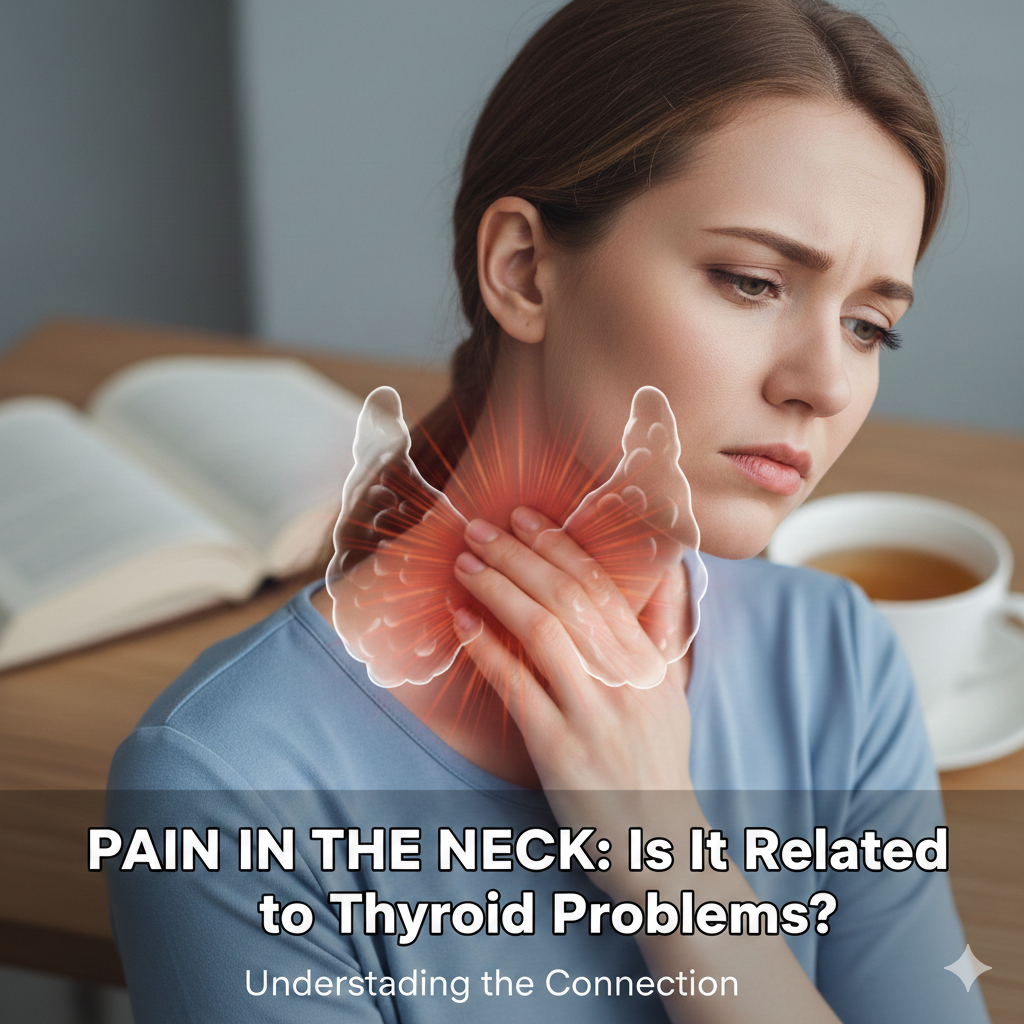
The thyroid gland may be small, but it plays a vital role in regulating many important functions in the human body. Located at the front of the neck, this butterfly-shaped gland produces hormones that control metabolism, energy levels, heart rate, body temperature, and overall growth and development.
When the thyroid gland does not function properly, it can lead to a range of health issues collectively known as thyroid disease. Millions of people worldwide are affected by thyroid disorders, and many remain undiagnosed because the symptoms often develop gradually.
At Sarojay General Surgery and ENT Clinic, we believe that awareness and early diagnosis are essential for effective thyroid disease management. In this guide, we’ll cover everything you need to know about thyroid disorders, their symptoms, causes, diagnosis, treatment options, and prevention strategies.
What is the Thyroid Gland?
The thyroid gland is part of the endocrine system and produces two essential hormones:
- Thyroxine (T4)
- Triiodothyronine (T3)
These hormones help regulate:
✔ Metabolism
✔ Heart function
✔ Digestion
✔ Muscle control
✔ Brain development
✔ Body temperature
✔ Energy levels
When hormone production becomes abnormal, thyroid disease can occur.
Types of Thyroid Disease
- Hypothyroidism (Underactive Thyroid)
Hypothyroidism occurs when the thyroid gland produces insufficient hormones.
Common Symptoms
- Fatigue
- Weight gain
- Cold intolerance
- Dry skin
- Hair loss
- Depression
- Constipation
- Slow heart rate
- Puffy face
Hypothyroidism is more common in women and older adults.
- Hyperthyroidism (Overactive Thyroid)
Hyperthyroidism occurs when the thyroid produces excessive hormones.
Common Symptoms
- Weight loss
- Increased appetite
- Rapid heartbeat
- Anxiety
- Tremors
- Excessive sweating
- Difficulty sleeping
- Heat intolerance
- Nervousness
Without treatment, hyperthyroidism can affect the heart and bones.
- Thyroid Nodules
Thyroid nodules are abnormal lumps that develop within the thyroid gland.
Most nodules are benign, but some may require further evaluation to rule out cancer.
Symptoms May Include
- Visible neck swelling
- Difficulty swallowing
- Hoarseness
- Neck discomfort
- Goiter
A goiter refers to enlargement of the thyroid gland.
Causes include:
- Iodine deficiency
- Autoimmune disorders
- Thyroid nodules
- Hormonal imbalances
A large goiter may cause breathing or swallowing difficulties.
- Thyroid Cancer
Although relatively uncommon, thyroid cancer is one of the most treatable forms of cancer when detected early.
Warning Signs
- Persistent neck lump
- Hoarseness
- Difficulty swallowing
- Enlarged lymph nodes
Early diagnosis significantly improves treatment outcomes.
What Causes Thyroid Disease?
Several factors can contribute to thyroid disorders.
Autoimmune Conditions
Hashimoto’s Thyroiditis
A common cause of hypothyroidism where the immune system attacks the thyroid gland.
Graves’ Disease
An autoimmune condition that causes hyperthyroidism.
Iodine Deficiency
Iodine is essential for thyroid hormone production. Insufficient iodine intake may lead to thyroid dysfunction.
Genetic Factors
A family history of thyroid disease increases the risk.
Certain Medications
Some medications can affect thyroid hormone production.
Radiation Exposure
Previous radiation treatment to the neck may increase the likelihood of thyroid disorders.
Common Symptoms of Thyroid Disease
Because thyroid hormones affect multiple organs, symptoms can vary significantly.
Symptoms of Thyroid Problems May Include:
- Unexplained weight changes
- Fatigue
- Mood changes
- Hair thinning
- Neck swelling
- Difficulty swallowing
- Changes in heart rate
- Sleep disturbances
- Muscle weakness
- Menstrual irregularities
If these symptoms persist, medical evaluation is recommended.
How is Thyroid Disease Diagnosed?
Accurate diagnosis begins with a medical examination and diagnostic testing.
Blood Tests
The most common tests include:
TSH (Thyroid Stimulating Hormone)
Measures thyroid function.
T3 and T4 Levels
Evaluate hormone production.
Thyroid Antibody Tests
Help identify autoimmune thyroid disorders.
Ultrasound Examination
Thyroid ultrasound provides detailed images of:
- Nodules
- Cysts
- Enlargement
- Structural abnormalities
Fine Needle Aspiration (FNA) Biopsy
Used when suspicious nodules require further evaluation.
Thyroid Scan
A nuclear medicine scan may be recommended in selected cases.
Treatment Options for Thyroid Disease
Treatment depends on the specific thyroid condition.
Treatment for Hypothyroidism
The standard treatment involves thyroid hormone replacement medication.
Benefits include:
- Improved energy
- Better metabolism
- Symptom relief
- Hormone balance
Treatment for Hyperthyroidism
Options may include:
Anti-Thyroid Medications
Reduce hormone production.
Radioactive Iodine Therapy
Shrinks overactive thyroid tissue.
Surgery
Recommended in selected cases.
Treatment for Thyroid Nodules
Management depends on size and characteristics.
Options include:
- Observation
- Medication
- Biopsy
- Surgical removal
Thyroid Surgery
Surgery may be necessary for:
- Large goiters
- Suspicious nodules
- Thyroid cancer
- Severe hyperthyroidism
Types of Thyroid Surgery
- Partial thyroidectomy
- Total thyroidectomy
At Sarojay General Surgery and ENT Clinic, advanced surgical techniques help ensure safe and effective treatment outcomes.
Can Thyroid Disease Be Prevented?
While not all thyroid disorders are preventable, certain lifestyle habits may support thyroid health.
Healthy Thyroid Tips
✔ Maintain adequate iodine intake
✔ Eat a balanced diet
✔ Exercise regularly
✔ Manage stress
✔ Attend regular health check-ups
✔ Follow prescribed medications
✔ Seek early evaluation for neck swelling or thyroid symptoms
When Should You See a Doctor?
Consult a healthcare professional if you experience:
- Persistent fatigue
- Sudden weight changes
- Neck swelling
- Difficulty swallowing
- Voice changes
- Irregular heartbeat
- Unexplained hair loss
Early diagnosis can prevent complications and improve quality of life.
Why Choose Sarojay General Surgery and ENT Clinic?
At Sarojay General Surgery and ENT Clinic, we provide comprehensive evaluation and treatment for thyroid disorders.
Our Services Include:
✔ Thyroid evaluation and diagnosis
✔ Thyroid ultrasound assessment
✔ Thyroid nodule management
✔ Fine Needle Aspiration (FNA)
✔ Thyroid surgery
✔ Long-term thyroid disease management
✔ Personalized patient care
Our experienced team is committed to providing accurate diagnosis and effective treatment tailored to each patient’s needs.
Conclusion
Thyroid disease is a common but manageable condition that can significantly affect overall health if left untreated. Understanding the symptoms, causes, and treatment options can help individuals seek timely medical care and prevent complications.
Whether you are experiencing symptoms of hypothyroidism, hyperthyroidism, thyroid nodules, or other thyroid-related conditions, early diagnosis and expert care are essential for maintaining long-term health.
If you have concerns about your thyroid health, consult the specialists at Sarojay General Surgery and ENT Clinic for comprehensive evaluation and treatment.
Frequently Asked Questions (FAQs)
- What are the first signs of thyroid disease?
Fatigue, weight changes, mood swings, hair loss, and neck swelling are common early symptoms.
- Is thyroid disease curable?
Many thyroid conditions can be effectively managed with medication, monitoring, or surgery.
- Can thyroid disease affect weight?
Yes. Hypothyroidism often causes weight gain, while hyperthyroidism may lead to weight loss.
- Are thyroid nodules always cancerous?
No. Most thyroid nodules are benign, but medical evaluation is important.
- When is thyroid surgery required?
Surgery may be recommended for thyroid cancer, large goiters, suspicious nodules, or severe thyroid disorders.